Case Study: Louisiana Office of Public Health
The Challenge
The Louisiana Office of Public Health (OPH) lives by their mission statement: To protect and promote the health and wellness of all individuals and communities in Louisiana.
OPH’s Workforce Team recognized that the well-being of Louisiana’s public health staff was key to improving the physical, behavioral, and social outcomes of its residents. Stress and burnout, after all, are the top two reasons why employees leave public health, according to the Public Health Workforce Interests and Needs Survey (PH WINS).
PH WINS also found that 23% of respondents considered leaving their organization in the next year, and 29% reported retiring in the next 5 years. An internal pulse survey at OPH also highlighted a need to connect with others, and a gap when it came to leadership skills training.
These challenges—employee turnover, talent gaps left by retiring staff, and anemphasis on employee well-being and connection—led the OPH Workforce Teamtowards mentorship as a solution.
The Solution
Once OPH had identified a workplace mentorship program as a retention, employee engagement, and employee learning strategy, they developed their mentorship goals and objectives.
- Develop key public health skills
- Increase communication
- Break down silos
- Increase retention
- Boost connection and support
- Support succession planning
With these goals in place, OPH knew that they needed a mentorship software solution to help support the three components of their mentorship program:
- Application: OPH needed a solution that would enable mentees to identify goals and matching preferences, and mentors to identify their skills and goals, as part of the registration process.
- Matching: The software would then use that data to provide algorithmic matching suggestions, enabling user-led matching that makes the process seamless for both participants and administrators.
- Cohort-based timeline: The solution needed to have the scheduling and agenda capabilities to support mentorship cohorts where pairs would meet for a minimum of six sessions over six months.
After considering several solutions, Together’s mentorship software surfaced as the partner of choice, with the tools and capabilities needed to help OPH reach its mentorship program’s goals and objectives.
When implementing Together, OPH leveraged several strategies to boost mentorship program registration and participation, including:
- Promotion and awareness
- Orientation and training
- Structured agendas
- Mentorship speaker series
- Office hours and technical assistance
- Email and calendar reminders
- Recognition and celebration
These efforts overall equipped both mentors and mentees to get the most out of the program, boosting its success for participants and for the organization as a whole.
The Results
Now in its fourth cohort, the OPH Workforce Team uses several KPIs to measure the success of their mentorship program:
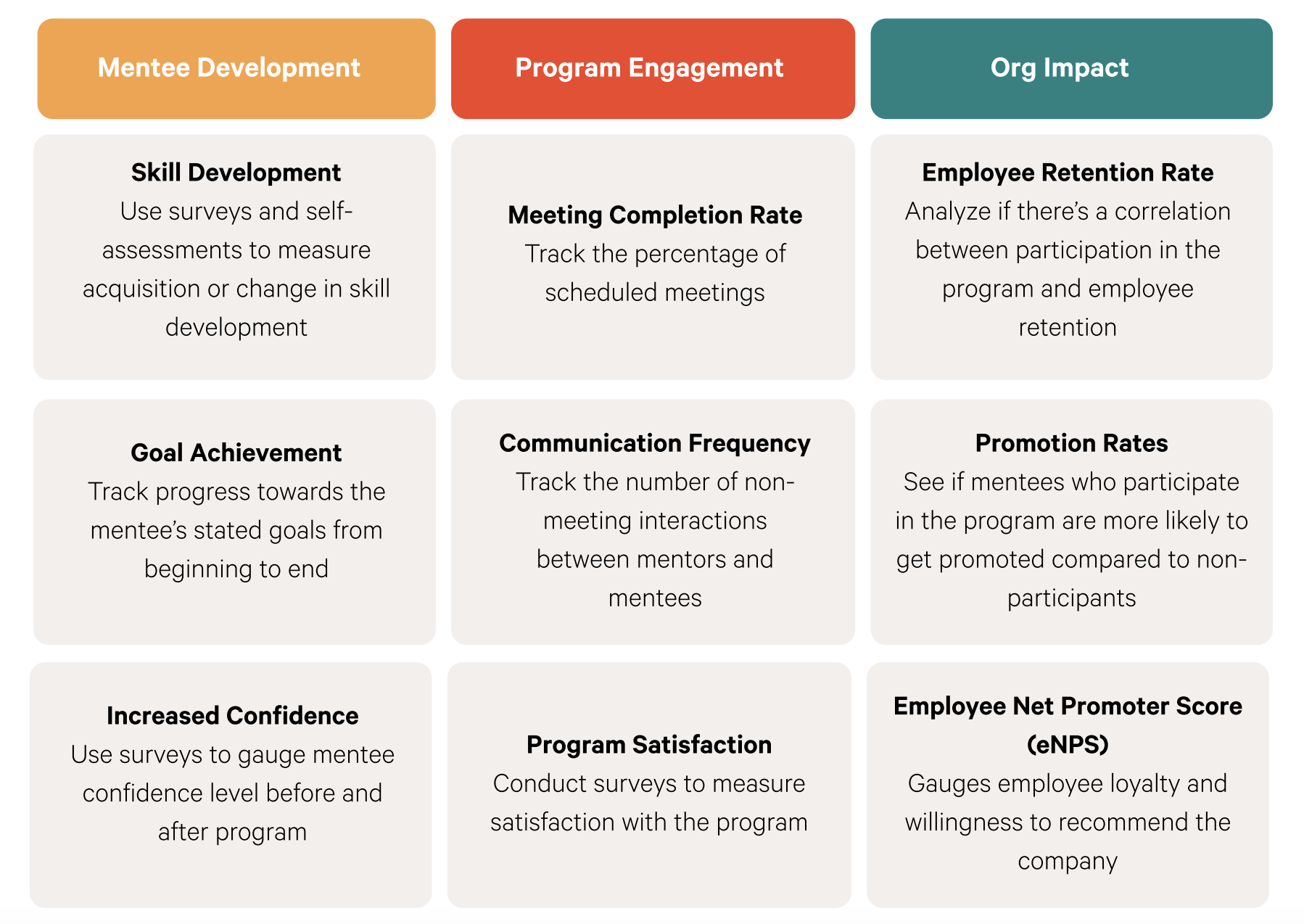
Since starting their program in 2021, 100% of participants have found the mentorship program valuable.
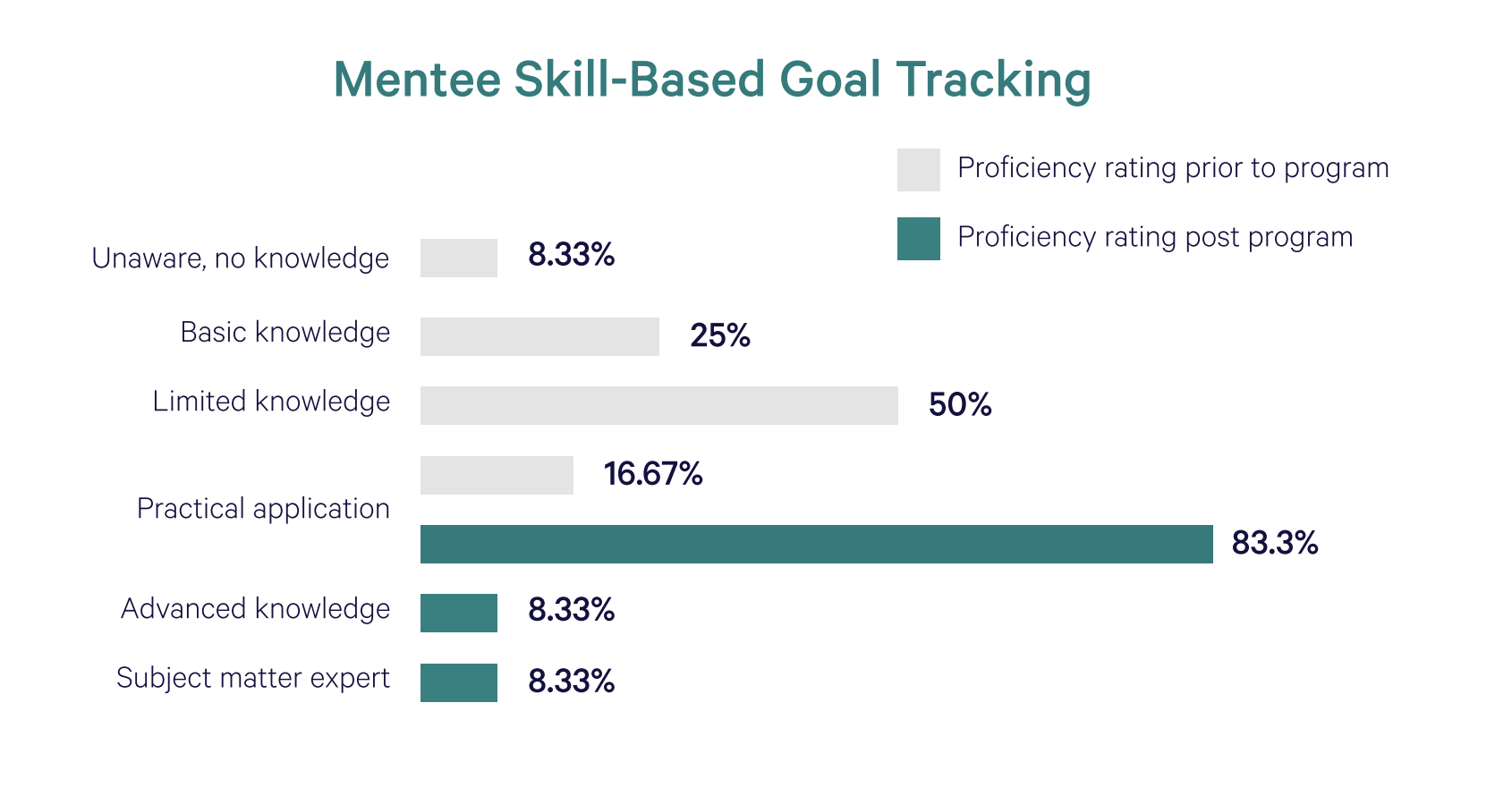
One area that OPH’s mentorship program has seen particular success in is skill development. Before the program, 83% of mentees responded that they had little to no knowledge of the identified skill that they wanted to grow in. After the program, 100% of mentees said they had some level of proficiency in that skill, with 8% of participants even labeling themselves as subject matter experts.

Overview
Industry
Year founded
Number of employees
Technology used
Program Overview
Geography





.svg)